A foam core paddle replaces the traditional honeycomb center with foam from edge to edge. These builds — the industry’s “Gen 4” — promise a bigger, more even sweet spot and power that stays consistent instead of spiking as the paddle breaks in.
The catch is labeling. Many paddles marketed around foam still hide a honeycomb core inside, with foam only around the edges. This guide separates the two honestly: eight true full-foam picks first, then five foam-injected paddles under their own clear label.
Every figure below is the brand’s published spec or a retailer spec-sheet figure. Where a brand does not publish a number, the spec box leaves it out rather than guessing.
Our Top 3 Picks
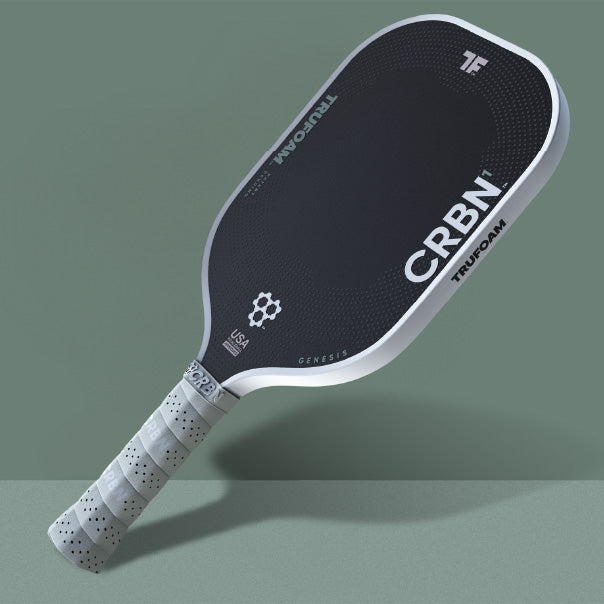 |
CRBN TruFoam Genesis Best overall full foam: the reference Gen 4 build, in four shapes. |
View On Amazon |
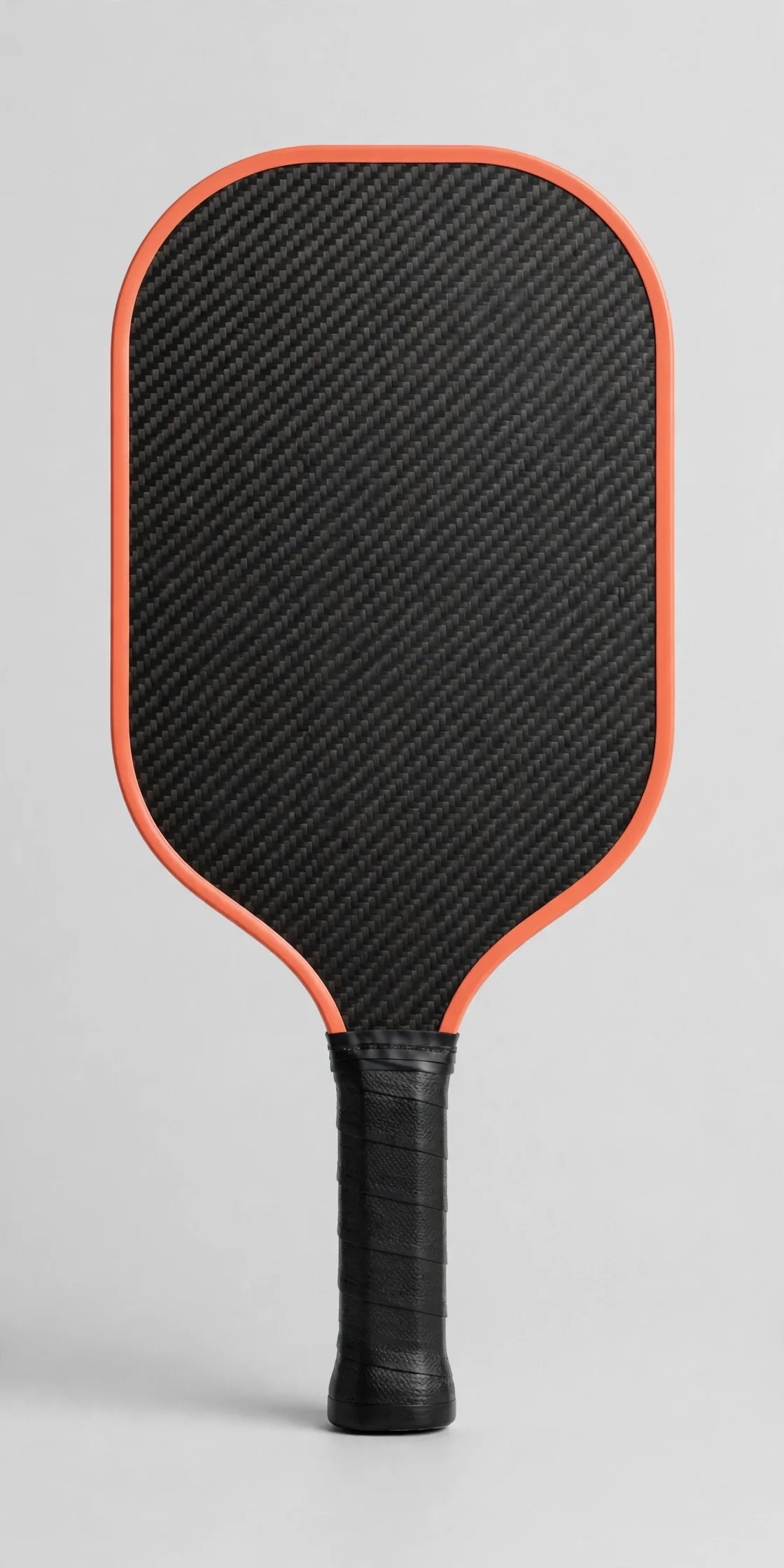 |
Six Zero Coral Best all-court foam: three shapes plus a lightweight version, PBCoR 0.42. |
View On Amazon |
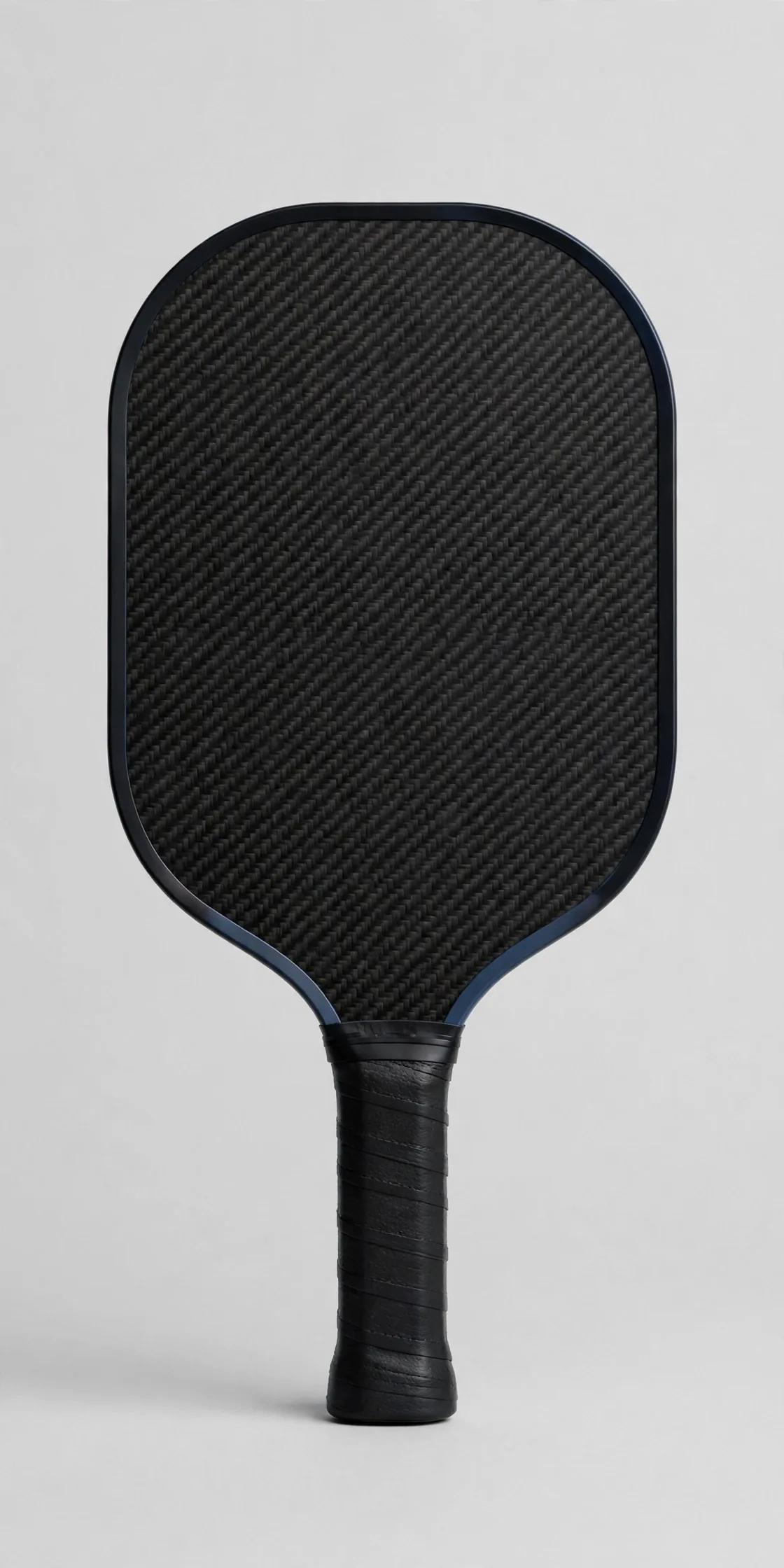 |
Vatic Pro V-Sol Pro Best first foam paddle: floating EPP core, three shapes, straightforward value pick. |
View On Amazon |
Gen 1 To Gen 4: What The Labels Actually Mean
First, an honesty note the marketing skips: the generations are informal industry shorthand, not an official standard. No governing body defines them, and brands stretch them — one brand in this guide calls its own build “Gen 4.5.”
Gen 1 paddles use a cold-pressed polypropylene honeycomb core. Gen 2 moved to thermoformed honeycomb in a unibody build, adding power and durability.
Gen 3 kept the honeycomb and injected foam around its perimeter. The feel is springy and connected, but the honeycomb remains the weak point: its cells can buckle under repeated impact, a failure players call core crush.
Worse, some aggressive Gen 3 designs broke in hotter over time. That creeping power is part of what drew regulator attention and contributed to delistings in the PBCoR era.
Gen 4 removes the honeycomb entirely. The core is foam all the way through — usually EPP bead foam, sometimes a dense closed-cell foam. There are no cells to crush, so wear shows up as slow, gradual foam softening instead.
What foam gives you: a larger, more uniform sweet spot, a quieter and more damped impact feel, and power engineered to hold a stable level under the PBCoR 0.43 ceiling across the paddle’s life.
What it costs you: a more muted, less connected feel that some honeycomb players dislike, and a field clustered around the same 16 mm, roughly 8-ounce template — so shape and handle choices matter more between brands.
Honeycomb still has its case: the springiest, most direct feedback, the widest range of builds, and — in Gen 3 form — foam’s perimeter benefits without giving up the honeycomb feel.
The approval backdrop matters too. USA Pickleball’s PBCoR test caps paddle power at 0.43, and a spin-rate ceiling of 2,100 RPM applies to certifications from October 1, 2026 — pressure that pushed brands toward stable foam cores.
The 8 Best Full-Foam (Gen 4) Paddles
Every paddle in this section has foam all the way through — no honeycomb anywhere in the build. Specs are for the reference shape named in each box; most of these lines offer more than one shape.
1. CRBN TruFoam Genesis — Best Overall Full Foam
The Genesis is the reference point for the whole category: a one-piece EPP foam core — CRBN’s TruFoam — under a raw carbon face with a fiberglass layer. CRBN’s own USAP submission lists the core material as EPP foam.
It is certified to the PBCoR .43 standard, so its power sits inside the current ceiling by design. Four shapes share the same core, which makes the real decision handle length and head shape, not construction.
Because the same core runs across the line, players can move between the elongated CRBN 1 and the wider shapes without relearning the feel. It is the safest first recommendation in this guide.
Specifications
| Face material | T700 raw carbon fiber with a fiberglass layer |
| Core | 100% TruFoam foam core (EPP foam) |
| Thickness | 14 mm |
| Average weight | 8.0 ± 0.2 oz (CRBN 1) |
| Grip length | 5.5 in |
| Grip circumference | 4 1/8 in |
| Shape (L × W) | Elongated — 16.5 × 7.35 in (CRBN 1) |
| USA Pickleball approved | Yes — PBCoR .43 certified; also UPA-A certified |
Buy If
- You want the benchmark full-foam build other paddles are compared against.
- You play sanctioned events and want PBCoR .43 certification stated plainly.
Pass If
- You prefer a thicker 16 mm core’s softer pocketing feel.
- You want the springy feedback only a honeycomb core gives.
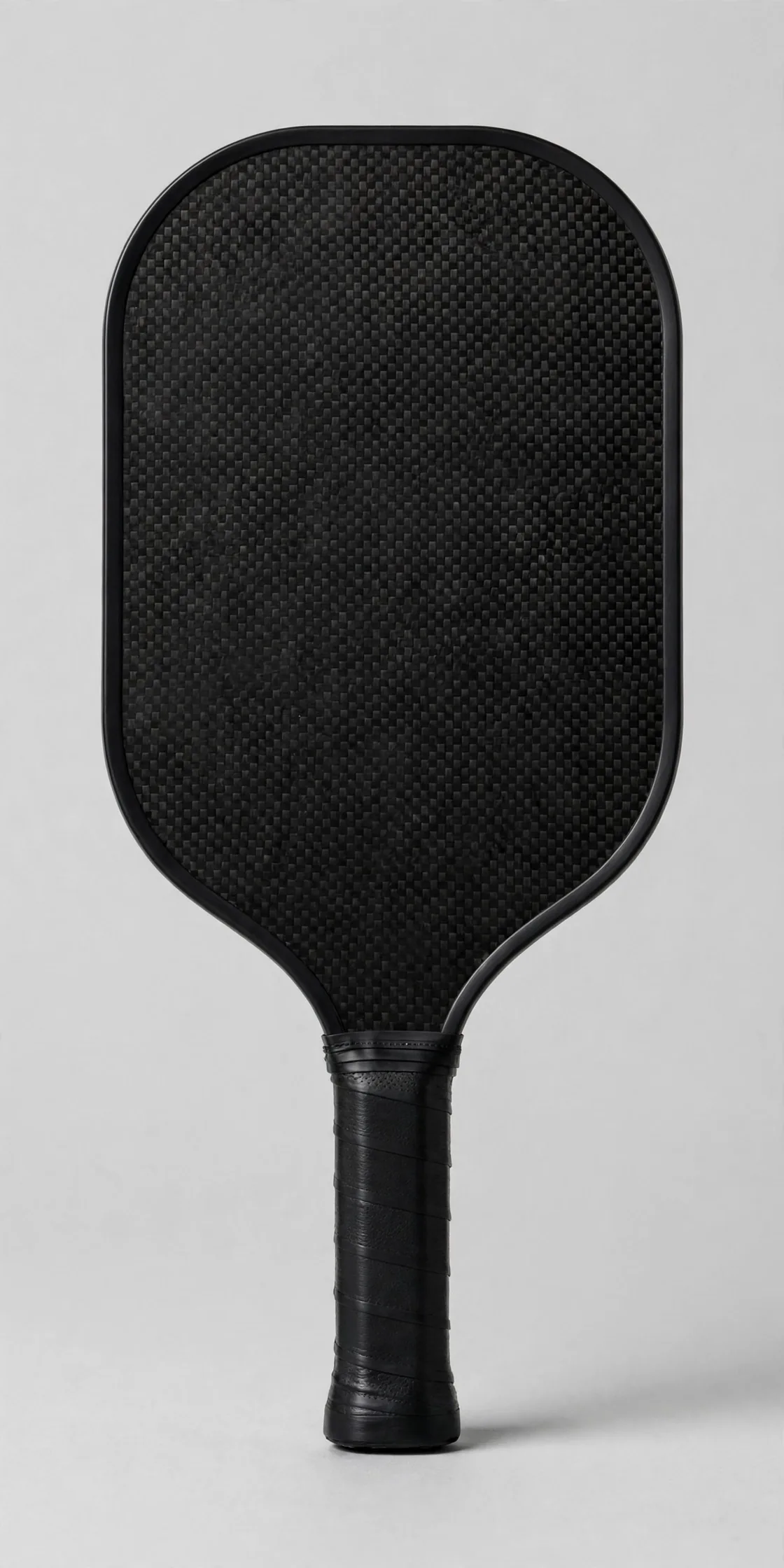
2. Selkirk LABS Project Boomstik — Best For Two-Handed Backhands
Selkirk’s LABS line is its tournament-tier workshop, and the Boomstik is its foam answer: a PureFoam center fused with an EVA power ring. There is no honeycomb anywhere in the build.
The elongated version’s 5.8 in handle is the longest in this guide — a genuine selling point for two-handed backhands. Selkirk also publishes a swing weight of 118 and twist weight of 7.2 for the elongated, its own figures.
Its MOI Tuning System adds perimeter weighting players can adjust themselves, shifting the balance point without tape. Note this is a LABS product, not part of Selkirk’s mainstream SLK line.
Specifications
| Face material | Multistrata T700 carbon (3 layers) with InfiniGrit surface |
| Core | BoomCore — PureFoam foam center fused with an EVA Power Ring |
| Thickness | 16 mm |
| Average weight | 8.0–8.3 oz (Elongated) |
| Grip length | 5.8 in |
| Grip circumference | 4.25 in |
| Shape (L × W) | Elongated — 16.5 × 7.45 in |
| USA Pickleball approved | Yes |
Buy If
- You hit a two-handed backhand and want the longest handle in the foam field.
- You like tuning balance yourself with a built-in weighting system.
Pass If
- You want a mainstream line with the widest retail availability.
- You prefer a shorter handle and a head-light feel.
3. Six Zero Coral — Best All-Court Foam
Six Zero built its name on the honeycomb Double Black Diamond. The Coral is its move into foam: a foam core that floats inside the frame on the brand’s Tectonic suspension system, rather than bonding to a honeycomb.
It comes in hybrid, elongated and widebody shapes, plus a lightweight version at 7.6–7.9 oz — the widest shape menu in this guide. That makes it the easiest foam paddle to fit to different hands and styles.
Six Zero publishes a measured PBCoR of 0.42 against the 0.43 limit. That small headroom is exactly what tournament players now look for: certified power with margin to spare. It is listed with USAP as the “Coral RCD 16MM.”
Specifications
| Face material | Diamond Tough raw carbon fiber |
| Core | Floating Propulsion Foam Core with Tectonic Core Suspension System |
| Thickness | 16 mm |
| Average weight | 8.0–8.3 oz (Hybrid) |
| Grip length | 5.5 in |
| Grip circumference | 4.125 in |
| Shape (L × W) | Hybrid — 16.3 × 7.5–7.7 in |
| USA Pickleball approved | Yes — listed as Coral RCD 16MM; PBCoR 0.42 |
Buy If
- You want one foam paddle line with a shape for every style.
- You want published compliance headroom under the PBCoR cap.
Pass If
- You want the firmest possible foam feel — see its sibling next.
- You prefer a bonded, traditional one-piece core feel.
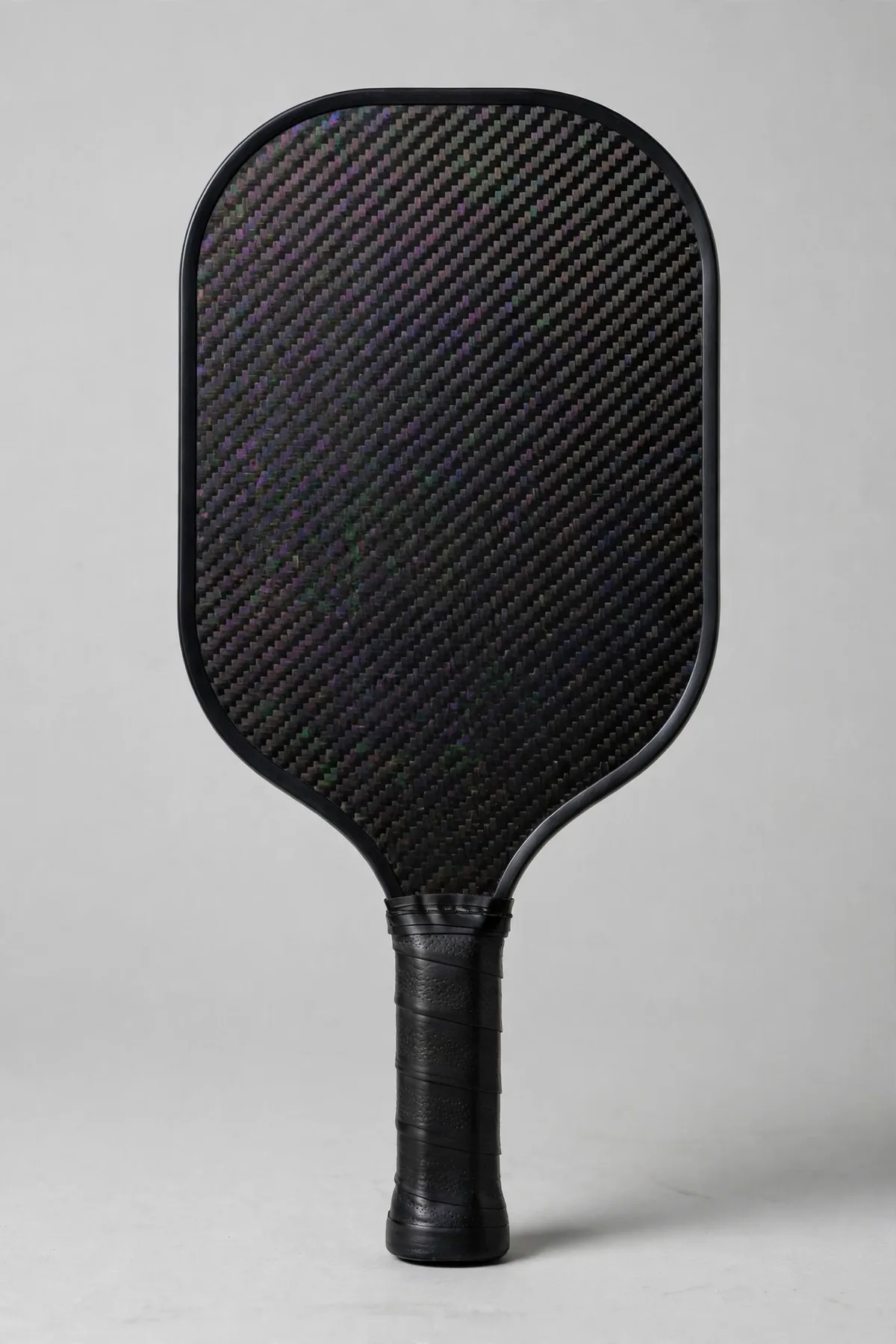
4. Six Zero Black Opal — Best Firm-Feeling Foam
The Black Opal is the Coral’s power sibling, built differently on purpose. Its G4 core is a dense closed-cell foam — not EPP — with a Power Gel layer, still riding on the Tectonic suspension system.
At 14 mm it plays thinner and firmer than the 16 mm EPP builds. Players who tried EPP foam and found it soft or muted are exactly who this denser construction is aimed at.
It carries both USAP and UPA-A approval, so it travels between sanctioning bodies without a second paddle. Think of it as the “foam, but make it firm” counterpoint inside the same brand’s lineup.
Specifications
| Face material | Toray T700 raw carbon fiber with Diamond Tough texture |
| Core | G4 Aerospace Solid Foam Core (dense closed-cell foam) with Power Gel layer |
| Thickness | 14 mm |
| Average weight | 8.0–8.3 oz |
| Grip length | 5.5 in |
| Grip circumference | 4 1/8 in |
| Shape (L × W) | Hybrid — 16.3 × 7.5–7.7 in |
| USA Pickleball approved | Yes — also UPA-A approved; PBCoR compliant |
Buy If
- You found EPP foam too soft and want a denser, firmer core.
- You play both USAP and UPA-A events.
Pass If
- You want maximum cushioning and dwell from a 16 mm build.
- You are sensitive to a firmer, poppier response at the kitchen line.
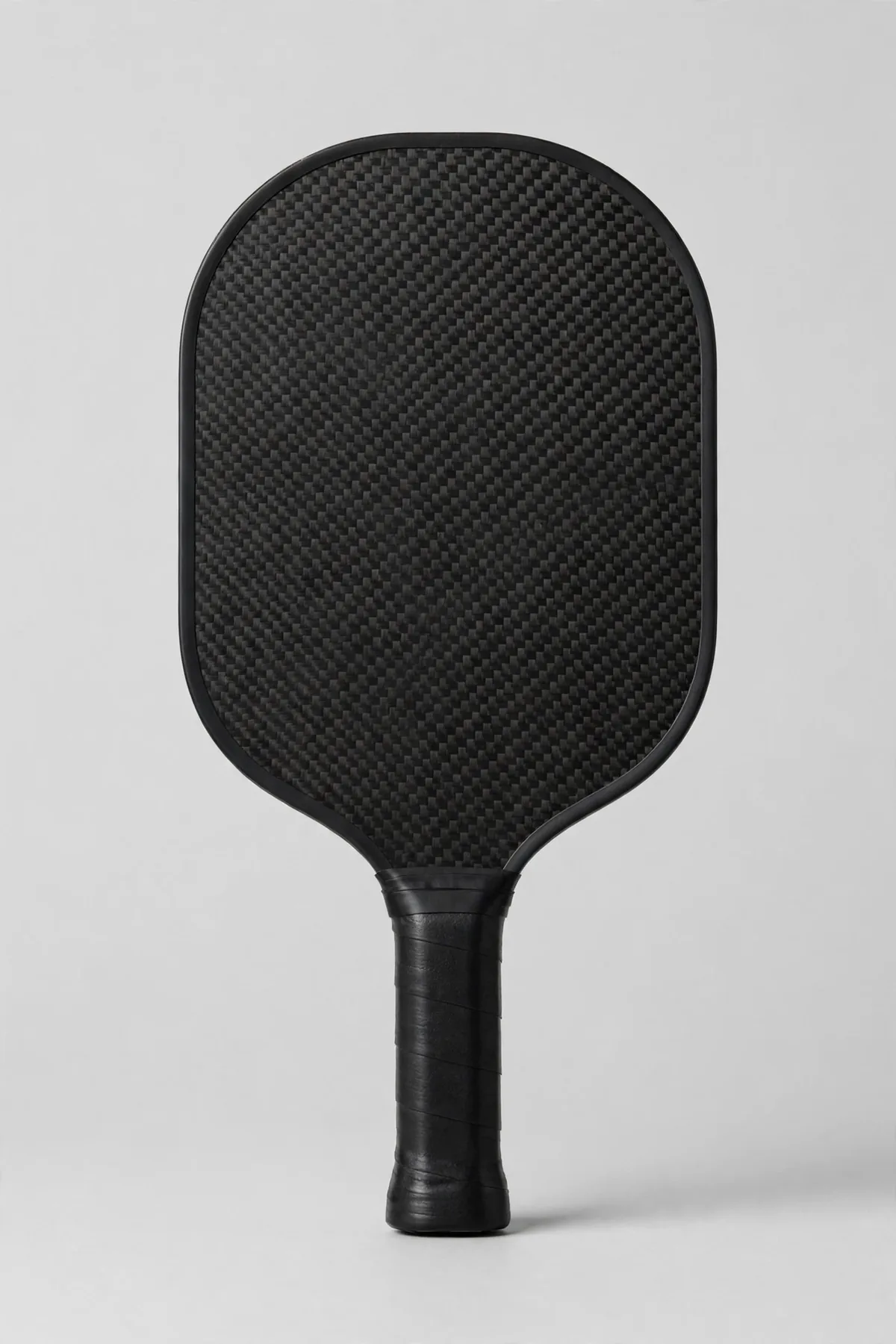
5. Honolulu Sword & Shield J2CR — Most Engineered Foam Core
Honolulu’s Core Reactor build is the most elaborate foam story here: a multi-density EPP core interlaced with EVA perimeter foam, floating and pivoting inside the frame. The brand calls it Gen 4.5; the construction is genuinely all foam.
The CR line spans hybrid (J2CR), standard (J3CR) and elongated (J6CR) shapes, and the J2CR offers 5.5 in or 6 in handles. The standard versions use a carbon-fiberglass-carbon face layup.
One warning belongs with this pick, stated plainly: only the standard carbon-face versions are USAP approved. The Crystal Blue Endurance versions of the same models are UPA-A only. Read the caution section before buying any CR paddle.
Specifications
| Face material | CFC layup — carbon / fiberglass / carbon (standard version) |
| Core | Core Reactor — multi-density all-foam core: EPP interlaced with EVA perimeter foam |
| Thickness | 16 mm |
| Average weight | 8.0–8.3 oz (J2CR) |
| Grip length | 5.5 in (6 in option) |
| Grip circumference | 4.125 in |
| Shape (L × W) | Hybrid — 16.2 × 7.8 in (J2CR) |
| USA Pickleball approved | Yes — standard carbon-face version only; Crystal Blue Endurance version is UPA-A only |
Buy If
- You want a floating, multi-density foam core in a wider hybrid shape.
- You will buy the standard carbon-face version and check the listing carefully.
Pass If
- You want the Crystal Blue endurance face and play USAP-sanctioned events — that version is UPA-A only.
- You prefer a simple, single-density core story.
6. Vatic Pro V-Sol Pro — Best First Foam Paddle
The V-Sol Pro is Vatic Pro’s clean-sheet foam design: a floating EPP core ringed with an EVA perimeter, under a triple-layer Toray T700 raw carbon face. No honeycomb, and no carryover from the brand’s earlier Gen 3 designs.
It comes in three shapes — Flash (hybrid), V7 (elongated) and Bloom (widebody) — with short 5.3 in or long 5.6 in handle options. That spread covers most players without a complicated decision tree.
For players moving up from a first honeycomb paddle, this is the straightforward recommendation: a verified full-foam build, USAP certified, in the shape of your choice. It is the value end of the verified full-foam field.
Specifications
| Face material | Triple-layer Toray T700 raw carbon fiber |
| Core | Floating EPP foam core with an EVA foam perimeter ring |
| Thickness | 16 mm |
| Average weight | 8.0–8.3 oz |
| Grip length | 5.3 in (short) or 5.6 in (long) |
| Grip circumference | 4.125 in |
| Shape (L × W) | Hybrid (Flash) — 16.2 × 7.7 in |
| USA Pickleball approved | Yes |
Buy If
- You are buying your first full-foam paddle and want a simple, verified choice.
- You want three shapes and two handle lengths to pick from.
Pass If
- You want a LABS-tier or limited-release build.
- You need a handle longer than 5.6 in for a two-handed backhand.
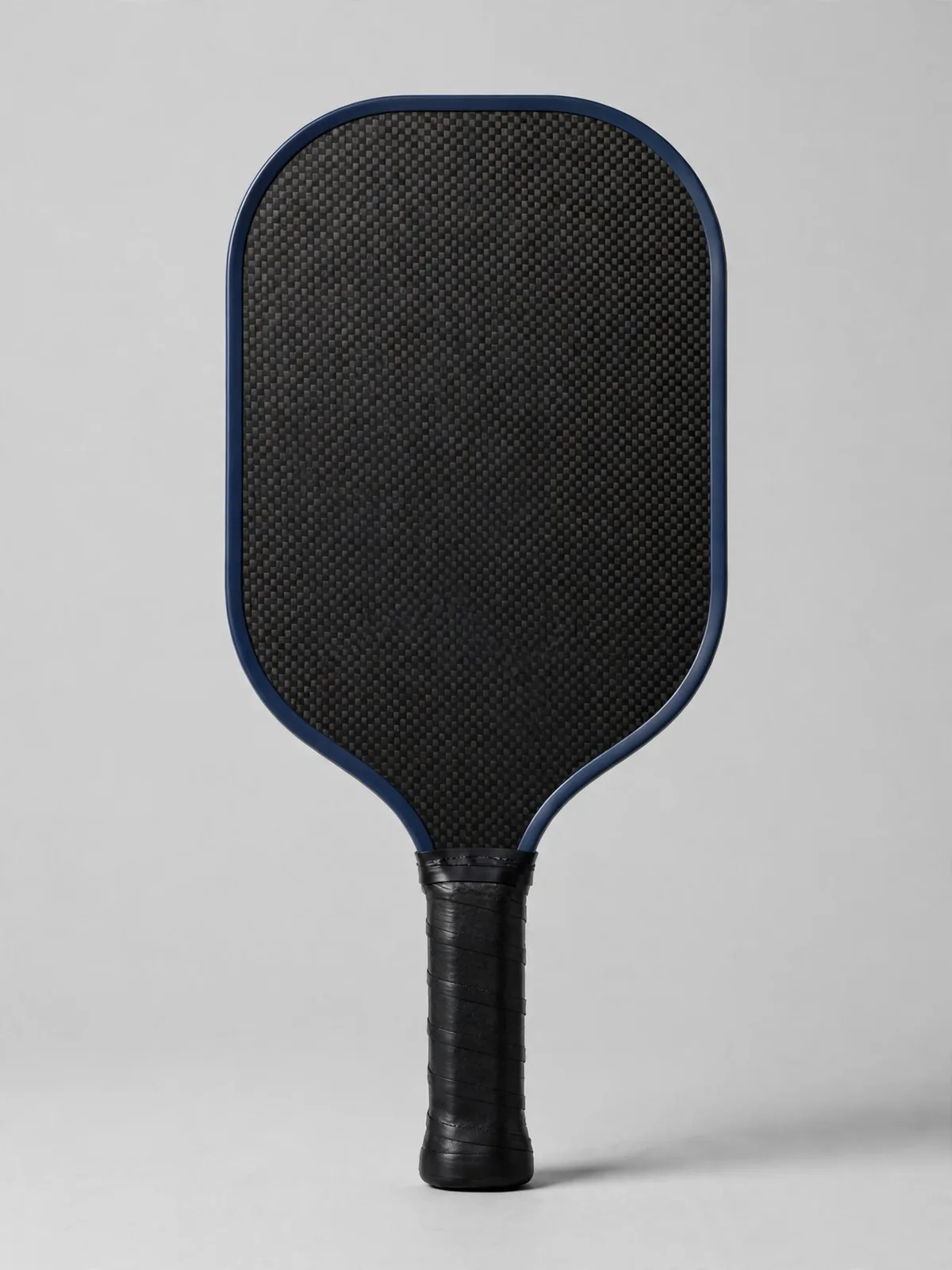
7. Bread & Butter Loco — Best Plush, Soft-Game Feel
The current Loco pairs two foams with two jobs: EPP for softness and EVA for structure, in a 16 mm dual-density core. A fiberglass layer under the T700 carbon face adds a little extra pop on top of the plush base.
The standard shape is a full 16.0 × 8.0 in widebody, the friendliest footprint here for blocks, resets and the soft game. Hybrid and elongated versions share the same core recipe.
One research note: older reviews describe a honeycomb Loco with different dimensions — the model has been revised to foam, and every current retail spec agrees on the build below. Check you are looking at the current version when you buy.
Specifications
| Face material | T700 raw carbon fiber with a fiberglass layer |
| Core | Dual-density foam core — EPP and EVA foams combined |
| Thickness | 16 mm |
| Average weight | 8.0–8.1 oz (Standard) |
| Grip length | 5.3 in |
| Grip circumference | 4.25 in |
| Shape (L × W) | Standard widebody — 16.0 × 8.0 in |
| USA Pickleball approved | Yes |
Buy If
- Your game is built on dinks, resets and blocks, and you want the plushest feel here.
- You want a true widebody shape with a foam core.
Pass If
- You drive and counter with pace and want a firmer 14 mm response.
- You cannot confirm the listing is the current foam version.
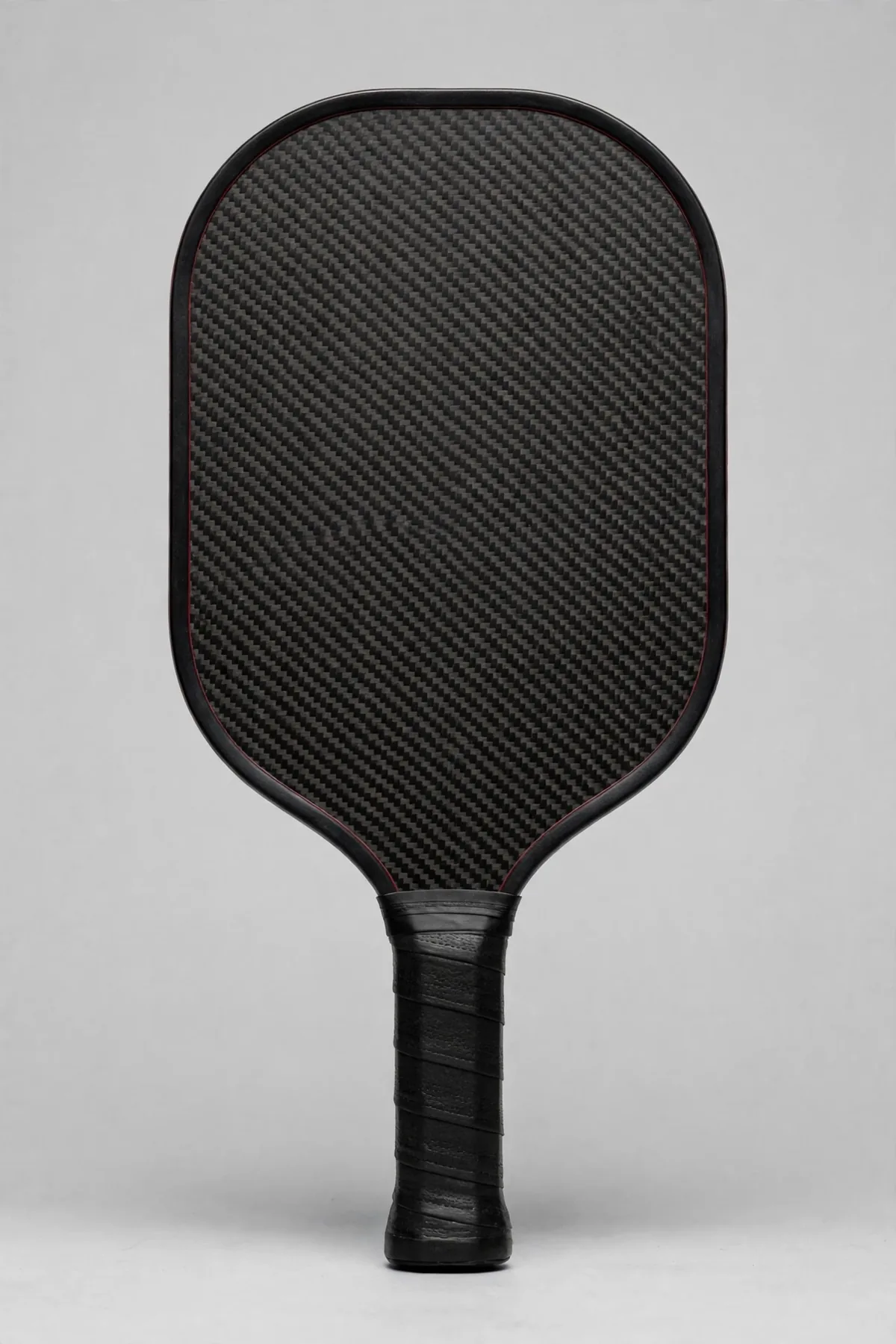
8. Paddletek Bantam Jolt — Newest Full-Foam Power Paddle
The Jolt launched in the first days of November 2026, rebuilding Paddletek’s Bantam power line around foam. Its FlexCore center is an EPP grid — precision-scored so it can flex and pocket the ball — ringed with supportive EVA foam.
Paddletek publishes its own swing and twist weights: 114 and 6.2 for the elongated, 104 and 6.9 for the widebody. That widebody twist weight is high for a power paddle, which is the forgiveness story here.
Because it launched days ago, one step remains on the buyer: confirm its exact listing on the USAP approved-paddle list before sanctioned play, and note Paddletek does not publish a grip circumference — so that row is simply absent below.
Specifications
| Face material | Micro Textured T700 raw carbon fiber |
| Core | FlexCore — scored EPP grid foam center with an EVA foam perimeter ring |
| Thickness | 16 mm |
| Average weight | 8.0 ± 0.2 oz |
| Grip length | 5.75 in (Elongated) / 5.5 in (Widebody) |
| Shape (L × W) | Elongated — 16.5 × 7.5 in |
| USA Pickleball approved | UPA-A approved (listed October 2026); not on the USA Pickleball approved list as of November 2026 — check the current USAP list before sanctioned play |
Buy If
- You want the newest foam take on a proven power line, with brand-published swing weights.
- You play the widebody shape and want its higher published twist weight.
Pass If
- You need a confirmed USAP listing in hand today for a sanctioned event.
- You size grips by published circumference — Paddletek does not publish one.
Foam-Injected, Not Full Foam: 5 Gen 3 Paddles Worth Knowing
These five paddles keep a polypropylene honeycomb core and add foam around or inside it. That is the Gen 3 recipe — legitimate, popular, and often excellent. It is simply not a foam core, and this guide will not call it one.
If a paddle below fits your game, buy it for the right reason: foam’s perimeter benefits — a calmer edge and a widened sweet spot — without giving up honeycomb’s springy, connected feel.
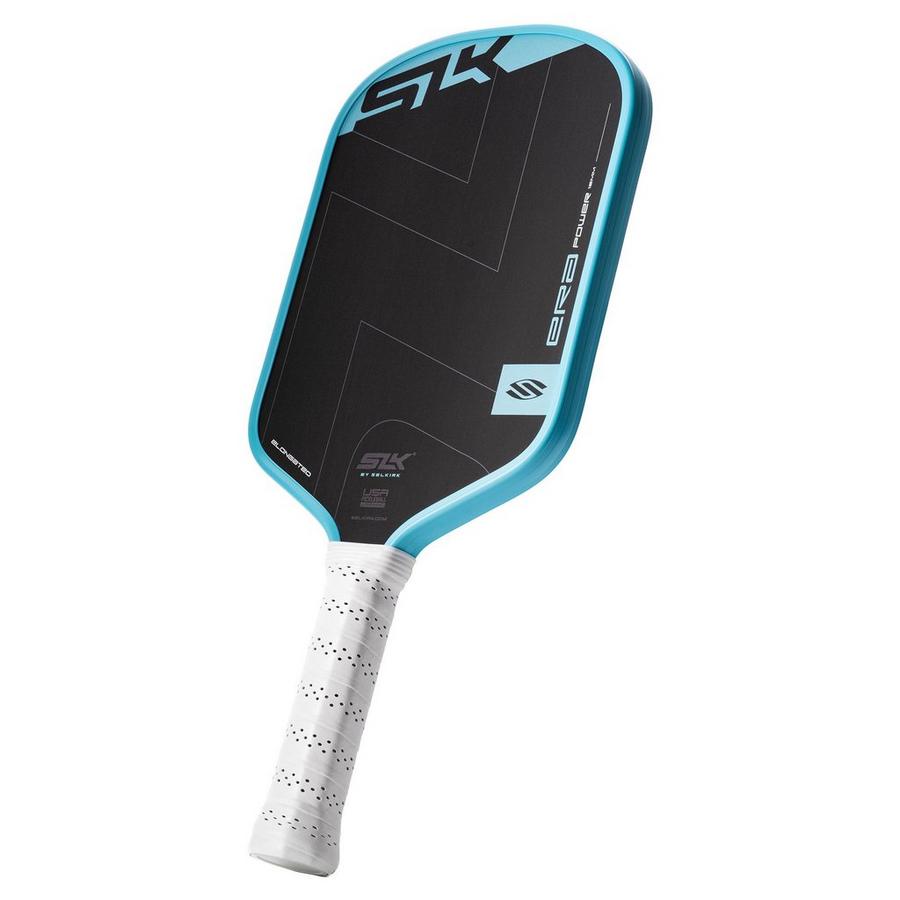
1. Selkirk SLK ERA Power — Best Foam-Injected Power
The ERA Power is the cleanest mainstream example of Gen 3 done carefully: a polypropylene honeycomb in the middle, surrounded by closed-cell, low-density EVA foam. The honeycomb keeps the response connected and springy; the foam calms the edges.
Selkirk publishes an average swing weight of 118 and twist weight of 6.6 for the elongated — its own figures. Like the Boomstik above, it offers a 5.8 in handle, so two-handed backhands are well served here too.
It anchors the honest middle of this guide: you do not need a full foam core to get real foam benefits. You just need to know which one you are buying.
Specifications
| Face material | 3-layer face: woven fiberglass + T700 raw carbon fiber |
| Core | Dynamic Fusion Core — polypropylene honeycomb surrounded by closed-cell EVA foam |
| Thickness | 16 mm |
| Average weight | 7.9–8.4 oz (Elongated) |
| Grip length | 5.8 in |
| Grip circumference | 4.25 in |
| Shape (L × W) | Elongated — 16.5 × 7.45 in |
| USA Pickleball approved | Yes — also UPA-A approved |
Buy If
- You want foam’s edge benefits with a honeycomb’s springy feel.
- You want a 5.8 in handle at a mainstream line’s availability.
Pass If
- Eliminating core crush entirely is your reason for switching — that requires full foam.
- You want the quietest, most damped impact feel available.
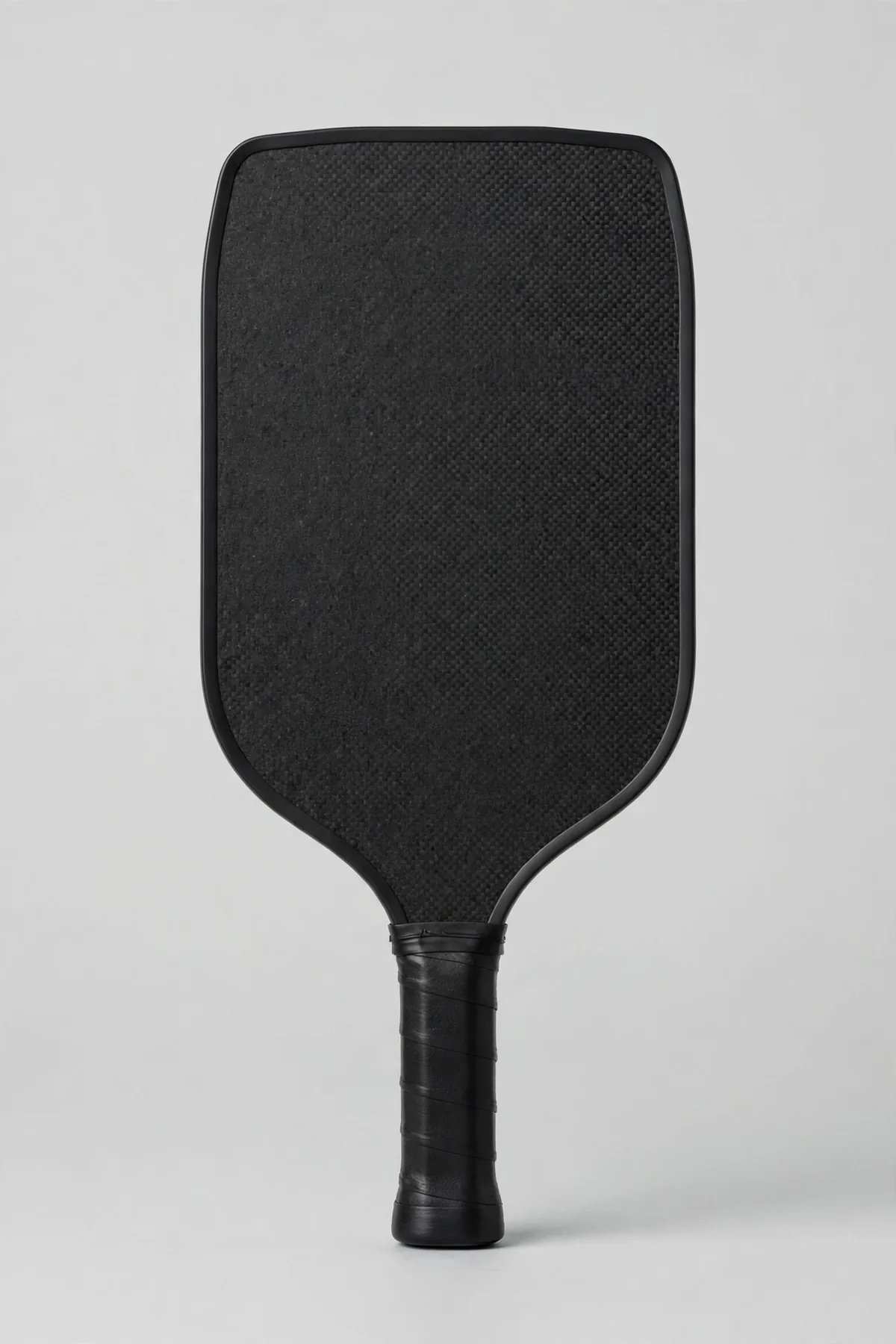
2. JOOLA Perseus Pro V — The “Foam” Paddle That Isn’t
This is the most searched “foam” paddle family in the sport, so it gets the plainest explanation: the Pro V core is polypropylene honeycomb. JOOLA’s own spec line reads “PP core + CF + EVA foam” — the foam is an injected edge wall.
That Hyper-Foam Edge Wall, plus a KineticFrame throat, is still a serious build, offered in 14 mm and 16 mm. It is USAP approved at PBCoR .43 and UPA-A Pro Certified. Just buy it as what it is.
Search results and resale listings blur this constantly. If a listing calls the Perseus Pro V a “foam core paddle” without qualification, that listing is wrong about the construction, whatever else it gets right.
Specifications
| Face material | Textured Carbon Fiber |
| Core | Honeycomb Propulsion Core (polypropylene) + Hyper-Foam Edge Wall |
| Thickness | 14 mm and 16 mm |
| Average weight | 8.1 oz avg (7.9–8.3 oz) for 16 mm |
| Grip length | 5.5 in |
| Grip circumference | 4.25 in (Ben Johns edition) |
| Shape (L × W) | Elongated — 16.5 × 7.5 in |
| USA Pickleball approved | Yes — PBCoR .43; also UPA-A Pro Certified |
Buy If
- You want the pro-tour-proven Pro V build and understand its core is honeycomb.
- You value dual USAP and UPA-A certification.
Pass If
- Your whole reason for shopping is eliminating the honeycomb core.
- You want foam’s damped feel — an edge wall alone will not deliver it.
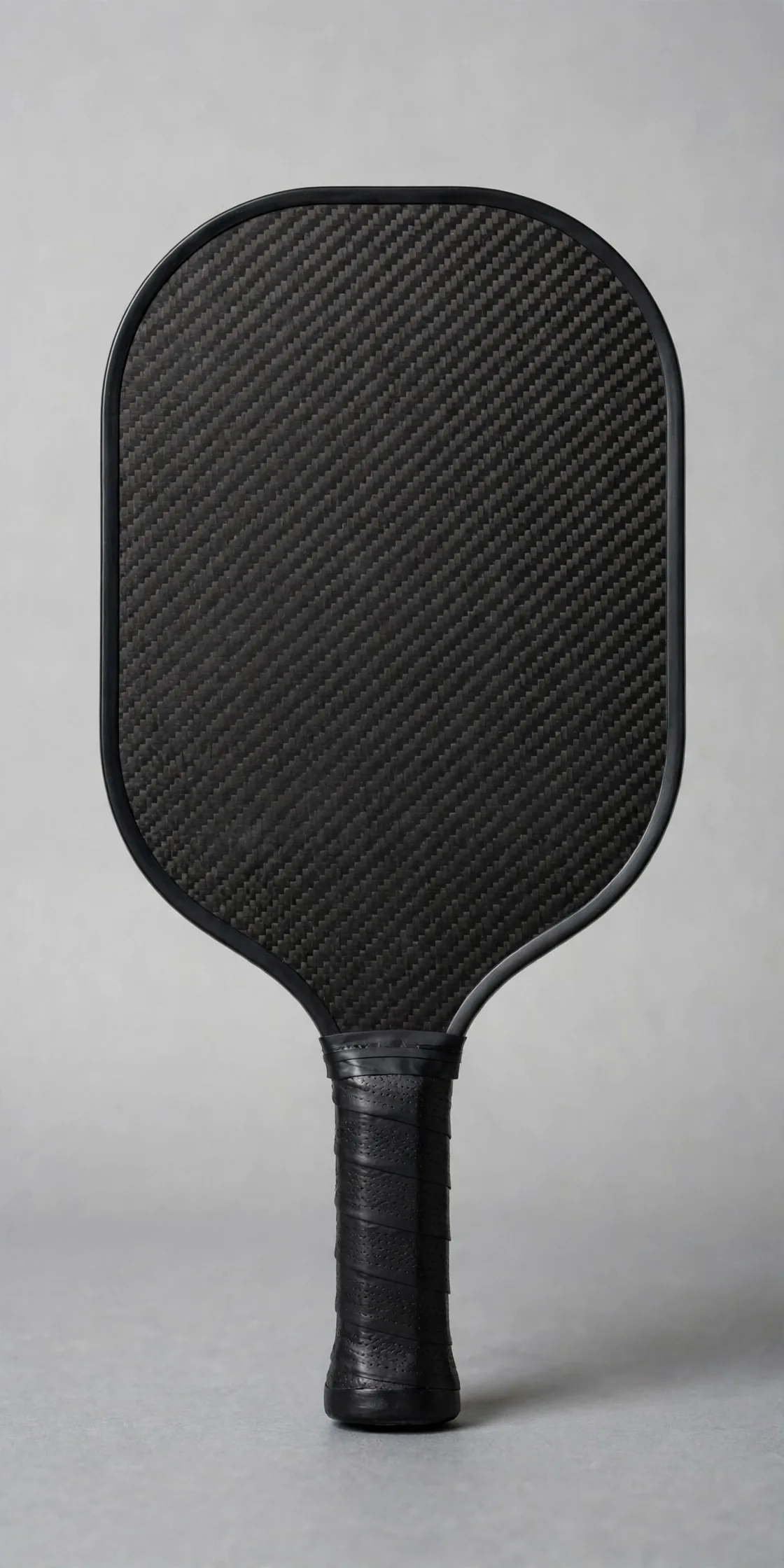
3. Franklin C45 — Lightest Foam-Layered Option
Franklin’s C45 puts more foam into a honeycomb paddle than most Gen 3 builds: an inner foam sheet inside the core, plus a dual foam perimeter, all double thermoformed. Foam here is a layer and a frame, not just an edge.
The result plays softer than its spec suggests — a 14 mm paddle at 7.6–7.9 oz, the lightest in this guide. Quick hands at the kitchen line are who that weight class serves best.
Label it correctly and it earns its place: foam-layered honeycomb, USAP and UPA approved, for players who want a foam-influenced feel without foam-paddle weight.
Specifications
| Face material | Toray T700 raw carbon fiber, 45° peel ply |
| Core | PowerFlex — polypropylene honeycomb with an inner foam sheet and dual foam perimeter |
| Thickness | 14 mm (line also offers 12.7 mm and 16 mm) |
| Average weight | 7.6–7.9 oz |
| Grip length | 5.7 in |
| Grip circumference | 4.3 in |
| Shape (L × W) | Hybrid — 16.3 × 7.6 in |
| USA Pickleball approved | Yes — also UPA approved |
Buy If
- You want the lightest paddle in this guide for fast hands exchanges.
- You want foam layering inside the core, not only around it.
Pass If
- You want a full foam core — this is a layered honeycomb.
- You prefer a heavier, plow-through feel on drives.
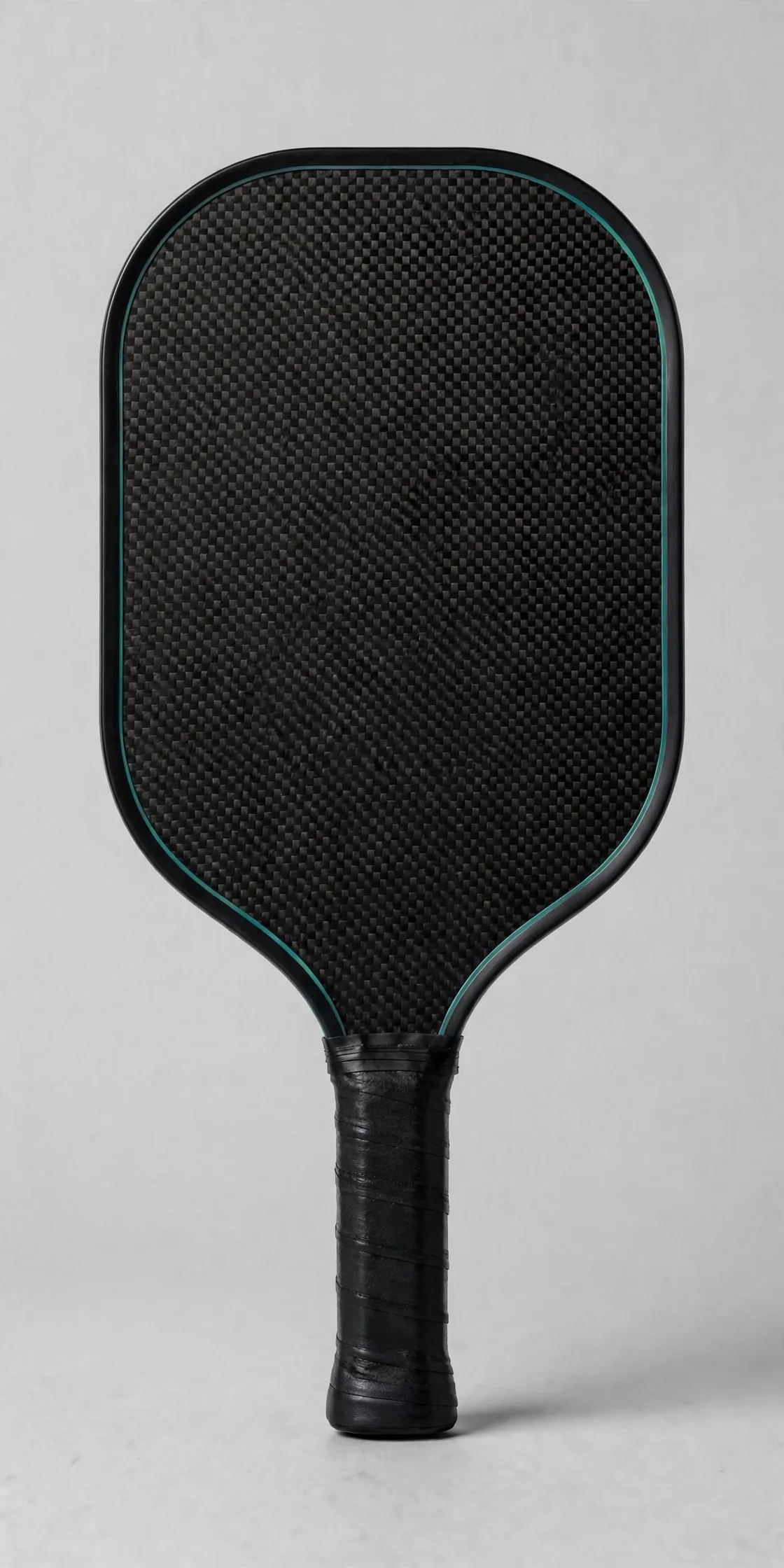
4. 11SIX24 Vapor Power — Small-Brand Gen 3 Value
11SIX24’s original Vapor Power floats its polypropylene honeycomb core inside a closed-cell EVA foam surround, under a carbon-fiberglass-carbon face. It is a small brand’s careful take on the Gen 3 formula, USAP approved at PBCoR .43.
Its following was earned on value and word of mouth rather than tour exposure. The 5.75 in handle is long for the class, another quiet nod to two-handed backhand players.
Name discipline matters here: the newer Vapor Power 2 is a different, full-foam paddle — and it is UPA-A only, not USAP approved. The caution section below explains why that distinction decides tournaments.
Specifications
| Face material | CFC layup — 2× T700 carbon fiber + fiberglass |
| Core | Floating polypropylene honeycomb core surrounded by closed-cell EVA foam |
| Thickness | 16 mm |
| Average weight | 8.0–8.3 oz |
| Grip length | 5.75 in |
| Grip circumference | 4.1 in |
| Shape (L × W) | 16.25 × 7.75 in |
| USA Pickleball approved | Yes — PBCoR .43 |
Buy If
- You want a value Gen 3 from a small brand, with a long handle.
- You want the USAP-approved version of the Vapor Power name.
Pass If
- You actually want the full-foam Power 2 — and play UPA-A events only.
- You prefer a big-brand retail and warranty network.
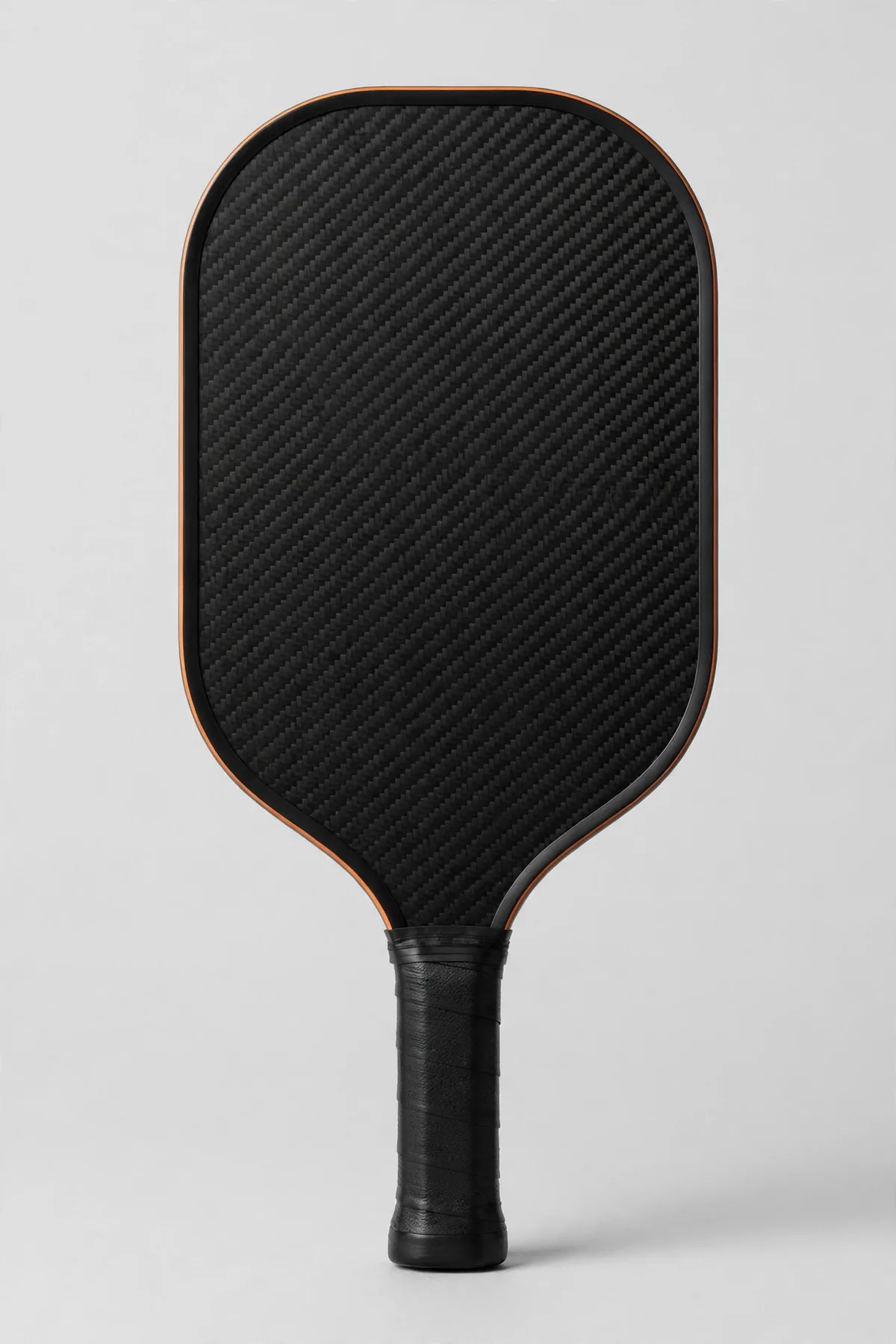
5. Friday Challenger — Budget Foam-Injected
The Challenger is the budget end of foam-injected, and it gets one honest sentence of foam credit: its foam lives only in the walls of a thermoformed 16 mm polypropylene honeycomb core. That is the thinnest foam claim in this guide.
Everything else is conventional and sensible — a double-layer T700 carbon face, standard elongated dimensions, USAP approval per brand and retail listings. Friday has since moved toward fuller foam builds in newer lines; the Challenger itself remains a honeycomb paddle.
As a starter paddle with a slightly calmer edge than plain honeycomb, it makes sense. As a “foam paddle,” it is where honest labeling matters most.
Specifications
| Face material | Double-layer T700 carbon fiber |
| Core | 16 mm polypropylene honeycomb, thermoformed, with foam-injected walls |
| Thickness | 16 mm |
| Average weight | 8.0–8.1 oz |
| Grip length | 5.5 in |
| Grip circumference | 4.25 in |
| Shape (L × W) | Elongated — 16.5 × 7.5 in |
| USA Pickleball approved | Yes |
Buy If
- You want a budget starter with foam-injected walls softening a honeycomb core.
- You are new enough that core type is not yet your deciding factor.
Pass If
- You are shopping specifically for a foam core — every pick in the first section qualifies; this one does not.
- You want foam’s full sweet-spot and durability benefits.
Compare The Specs Side By Side
| Paddle | Face | Core | Thickness | Weight | Shape | USAP |
|---|---|---|---|---|---|---|
| CRBN TruFoam Genesis | T700 raw carbon + fiberglass layer | 100% TruFoam (EPP) | 14 mm | 8.0 ± 0.2 oz | 16.5 × 7.35 in | Yes (.43) |
| Selkirk LABS Boomstik | Multistrata T700 carbon | PureFoam + EVA Power Ring | 16 mm | 8.0–8.3 oz | 16.5 × 7.45 in | Yes |
| Six Zero Coral | Diamond Tough raw carbon | Floating foam (Tectonic) | 16 mm | 8.0–8.3 oz | 16.3 × 7.5–7.7 in | Yes (0.42) |
| Six Zero Black Opal | Toray T700 raw carbon | Dense closed-cell foam + Power Gel | 14 mm | 8.0–8.3 oz | 16.3 × 7.5–7.7 in | Yes |
| Honolulu J2CR | CFC (carbon/fiberglass/carbon) | Multi-density EPP + EVA, floating | 16 mm | 8.0–8.3 oz | 16.2 × 7.8 in | Standard face only |
| Vatic Pro V-Sol Pro | Triple-layer Toray T700 | Floating EPP + EVA ring | 16 mm | 8.0–8.3 oz | 16.2 × 7.7 in | Yes |
| Bread & Butter Loco | T700 carbon + fiberglass layer | Dual-density EPP/EVA | 16 mm | 8.0–8.1 oz | 16.0 × 8.0 in | Yes |
| Paddletek Bantam Jolt | Micro Textured T700 | Scored EPP grid + EVA ring | 16 mm | 8.0 ± 0.2 oz | 16.5 × 7.5 in | UPA-A yes; USAP not listed |
| Selkirk SLK ERA Power (Gen 3) | Fiberglass + T700 carbon | PP honeycomb + EVA surround | 16 mm | 7.9–8.4 oz | 16.5 × 7.45 in | Yes |
| JOOLA Perseus Pro V (Gen 3) | Textured carbon fiber | PP honeycomb + foam edge wall | 14 / 16 mm | 8.1 oz avg (16 mm) | 16.5 × 7.5 in | Yes (.43) |
| Franklin C45 (Gen 3) | Toray T700 raw carbon | PP honeycomb + foam sheet + perimeter | 14 mm | 7.6–7.9 oz | 16.3 × 7.6 in | Yes |
| 11SIX24 Vapor Power (Gen 3) | CFC (carbon/fiberglass) | Floating PP honeycomb + EVA surround | 16 mm | 8.0–8.3 oz | 16.25 × 7.75 in | Yes (.43) |
| Friday Challenger (Gen 3) | Double-layer T700 carbon | PP honeycomb, foam-injected walls | 16 mm | 8.0–8.1 oz | 16.5 × 7.5 in | Yes |
Before You Buy: Approval Traps And One Delisting
The Vatic Pro Oni is the cautionary tale. A 2024 Gen 3 design from a respected brand, it was scheduled for USAP delisting in June 2024 under adopted testing methods. Preorders were cancelled and refunded, and retail remnants still warn “delisted — casual play only.”
The Oni is not a pick here, and its replacement in Vatic’s line is the full-foam V-Sol Pro above. If you see an Oni at a steep discount, understand what you are buying: a casual-play paddle, not a tournament one.
Same name, different approval: 11SIX24. The original Vapor Power in this guide is USAP approved. The newer Vapor Power 2 is a genuine full-foam paddle — but UPA-A only. For USAP-sanctioned play, the foam upgrade is the one you cannot use.
Same model, different face: Honolulu. The standard carbon-face CR paddles are USAP approved; the Crystal Blue Endurance versions are UPA-A only. Any listing that says “J2CR — USAP approved” without naming the face version is incomplete.
Revised models wear old reviews. The Bread & Butter Loco was redesigned from honeycomb to foam, and older honeycomb reviews still rank in search. Match the specs in this guide against the listing in front of you before you buy.
The general rule costs nothing: check the exact model, shape and face version against the official USAP approved-paddle list before any sanctioned event. Approvals attach to specific versions, not to brand names.
Frequently Asked Questions
What Is A Foam Core Pickleball Paddle?
It is a paddle whose core is foam all the way through, with no polypropylene honeycomb inside. Most use EPP bead foam; some use dense closed-cell foam or floating multi-foam builds. The industry shorthand for these paddles is “Gen 4.”
Is “Gen 4” An Official Standard?
No. The generations are informal marketing shorthand that no governing body defines, and brands stretch them — one brand calls its build “Gen 4.5.” Use the labels as a rough map, and judge any paddle by its stated construction instead.
Are Foam Core Paddles More Powerful Than Honeycomb?
Not automatically. Foam builds are engineered for consistent power that holds a stable level, while aggressive Gen 3 honeycomb builds could feel hotter as they broke in. USA Pickleball’s PBCoR test caps all certified paddles at 0.43 regardless of core type.
Do Foam Core Paddles Last Longer?
They remove one failure mode: with no honeycomb cells, there is nothing to buckle into core crush and dead spots. Foam still wears — it softens gradually over time, a slower and more even decline. No brand publishes a verified lifespan figure for either construction.
Are All Foam Paddles Legal For Tournaments?
No, and this is the trap that matters. Some full-foam paddles are UPA-A only — the 11SIX24 Vapor Power 2 is one — and some models are approved in one face version but not another. Check your exact model and version on the USAP list.
Should A Beginner Start With A Foam Core Paddle?
A beginner can, especially if a bigger sweet spot and a quieter feel sound appealing. But core type matters less than weight, shape and grip fit at that stage. The V-Sol Pro above is this guide’s simplest first foam choice; any pick here beats guessing.

Shoaib is the publisher of Pickleball Card. He oversees the site’s guides to pickleball rules, ratings, strategy and gear, all researched from primary sources — the USA Pickleball Rulebook, DUPR and manufacturer documentation — and updated as the game changes.