Power is the most marketed word in pickleball, and the least standardised. There is no industry power test, no shared scale, and no governing-body rating for how hard a paddle hits.
So this list was built differently. Every paddle below earned its place on construction you can check: core design, thickness, face material and weight, all taken from the manufacturer’s own published specifications.
If you drive the ball, finish points at the net, or simply want your putaways to stay down, start here. If you are still deciding what kind of player you are, our guide on how to choose a pickleball paddle covers the wider picture first.
What Actually Makes A Paddle Powerful
Power comes from energy transfer. A paddle that returns more of the ball’s energy — instead of absorbing it — sends the ball back faster on the same swing.
Core thickness is the first lever. Thinner cores, around 13 to 14 mm, flex less and rebound livelier. Thicker cores, 16 mm and up, absorb more, which trades raw pop for stability and control.
Foam cores are the second lever. Full-foam and foam-injected designs store and return energy differently from plain honeycomb, which is why the newest power paddles are built around foam.
Weight is the third. A heavier paddle carries more mass through the ball, so drives and counters land with more behind them — at the cost of slower hands at the kitchen line.
None of this is measured on one shared scale. When a brand prints a power score, it is that brand’s own internal rating, useful inside its range and meaningless across brands.
How We Chose These Power Paddles
Every specification in this guide comes from the manufacturer’s own published figures, checked in November 2026. Where a maker does not publish a number, the box says so. We do not lab-test paddles, so we publish no measured swingweight, spin or power figures of our own.
That standard has teeth. One famous name is missing below: Six Zero’s Double Black Diamond built its reputation as a power paddle, but Six Zero now sells it as the Double Black Diamond Control. We list paddles as their makers sell them today, not as they were marketed two seasons ago.
Short on time? The Paddle Finder asks seven questions and routes you to a shortlist — choose the power answers and it will land on paddles like these.
| Our Top 3 Picks | ||
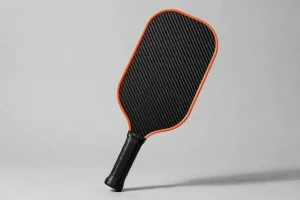 |
JOOLA Ben Johns Hyperion CFS 16mm Best Overall Power |
View On Amazon |
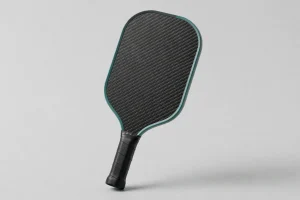 |
Gearbox GBX Power Hybrid Best Modern Power Build |
View On Amazon |
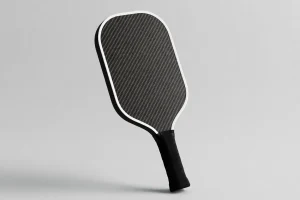 |
CRBN TruFoam Genesis Best Foam-Core Power |
View On Amazon |
The 7 Best Pickleball Paddles For Power
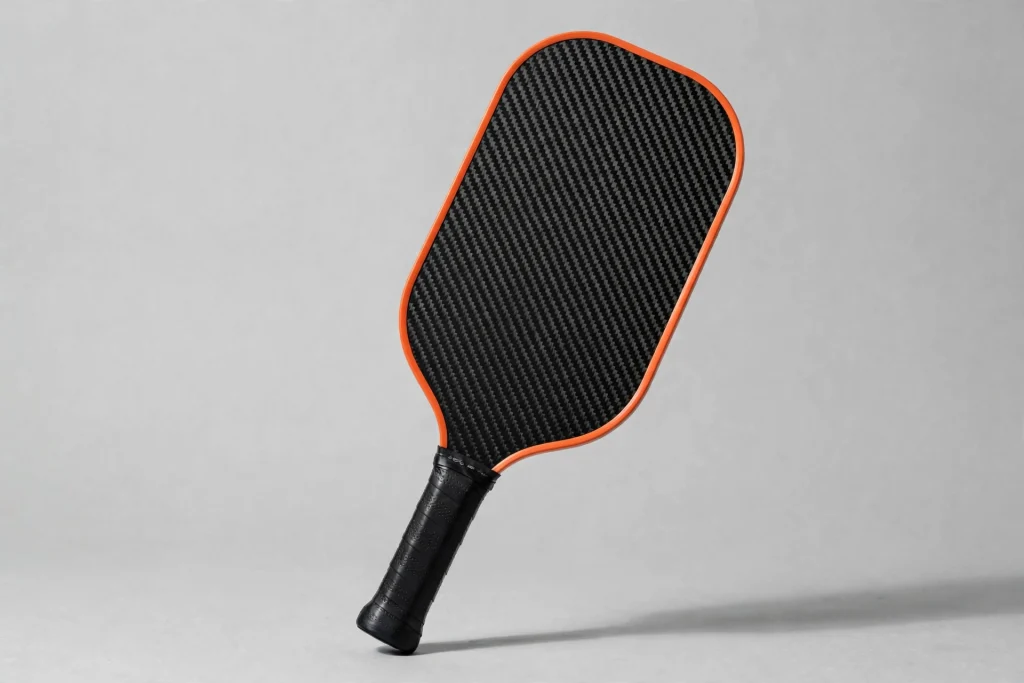
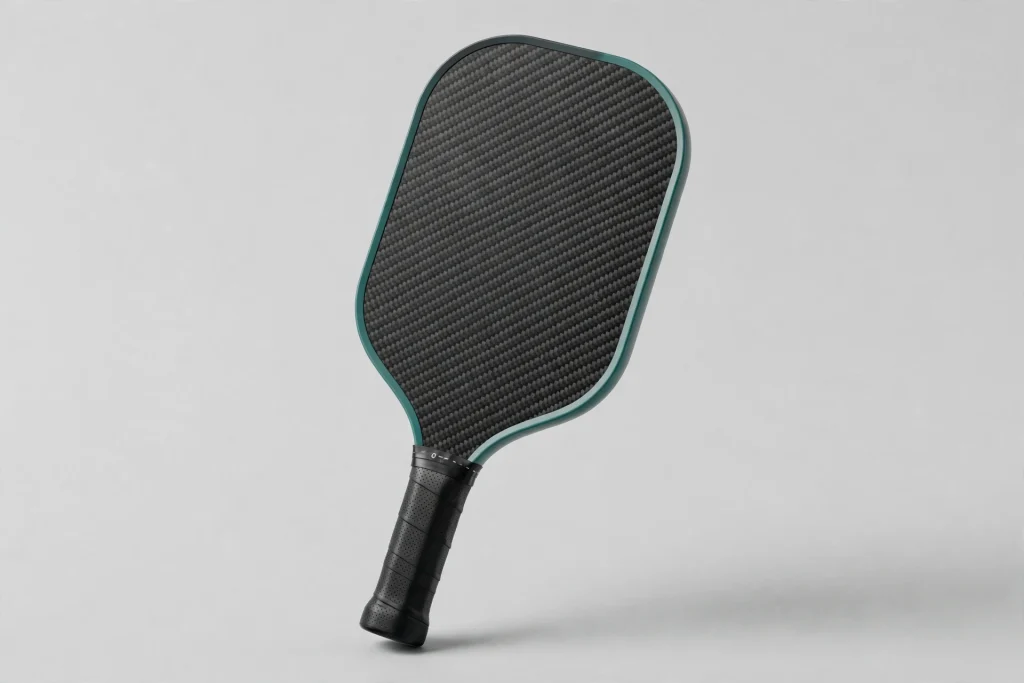
1. JOOLA Ben Johns Hyperion CFS 16mm — Best Overall Power
Ben Johns’ signature paddle is the rare model that brands itself on control and still hits with genuine authority. At 8.4 oz it carries real mass through the ball, and JOOLA’s own product ratings put its power at 94 out of 100.
The elongated Hyperion shape moves the sweet spot up the face, which suits drives and overheads. The Carbon Friction Surface adds grip, so the same paddle that powers the ball also shapes topspin.
Specifications (Manufacturer-Published)
| Face material | Carbon Friction Surface |
| Core | PP Core (polypropylene) |
| Thickness | 16 mm |
| Average weight | 8.4 oz |
| Grip length | 5.5 in |
| Grip circumference | 4.25 in |
| Shape / length × width | Hyperion (elongated) — 16.5 × 7.5 in |
| USA Pickleball approved | Not published by JOOLA |
Buy If
- You want one paddle that drives hard and still spins — JOOLA rates its own power at 94/100.
- You like an elongated shape and a longer 5.5 in handle for two-handed backhands.
Pass If
- You want a light, fast paddle for hands battles — 8.4 oz is real mass to move at the net.
- You want a thin, poppy core — this is the 16 mm version; JOOLA also sells a 14 mm.
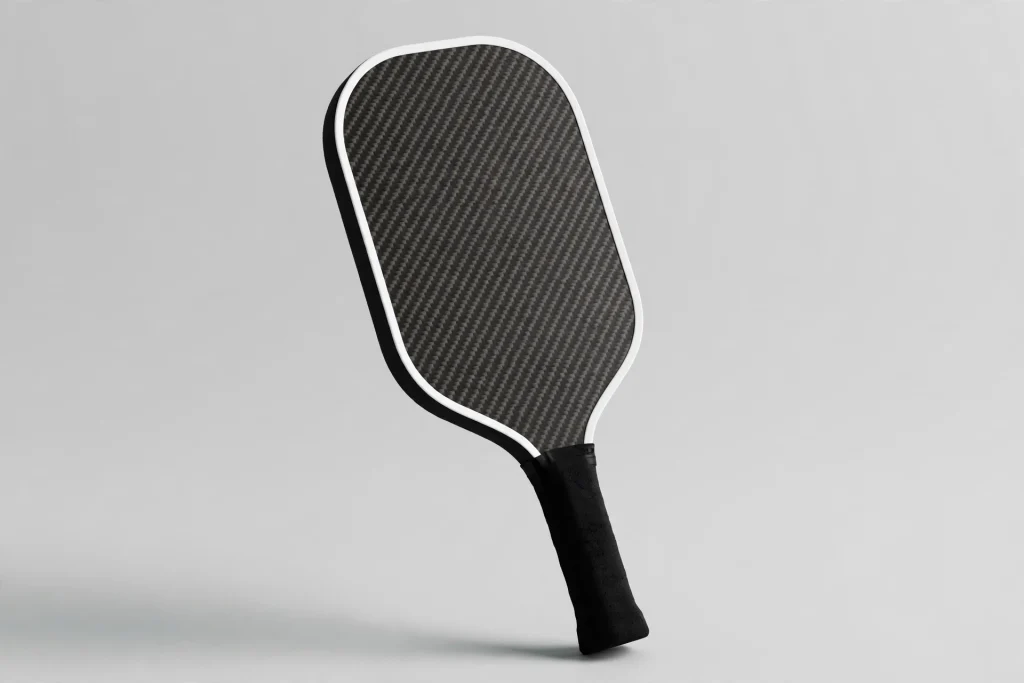
2. Gearbox GBX Power Hybrid — Best Modern Power Build
Gearbox’s GBX is its current power line, built on a suspended honeycomb core the brand calls Gen-3. The hybrid shape keeps the face wide enough to forgive off-centre counters while the raw carbon face does the driving.
Gearbox states both USAPA approval and PBCoR approval for this model — the power-era certification that now decides which paddles stay tournament-legal. That makes the GBX one of the safest power buys on this list.
Specifications (Manufacturer-Published)
| Face material | Raw Unidirectional Carbon Fiber |
| Core | Gen-3 Suspended PPE Honeycomb Core |
| Thickness | 16 mm |
| Average weight | 8.0 oz |
| Grip length | 5.5 in |
| Grip circumference | 4 in |
| Shape / length × width | Hybrid — 16.2 × 7.8 in |
| USA Pickleball approved | Yes — Gearbox states USAPA and PBCoR approved |
Buy If
- You want current-generation power with its tournament paperwork stated up front.
- You prefer a smaller 4 in grip circumference, or plan to build it up with overgrips.
Pass If
- You want maximum reach — Gearbox sells an elongated GBX sibling for that.
- You play best with a very soft, thick-core feel.
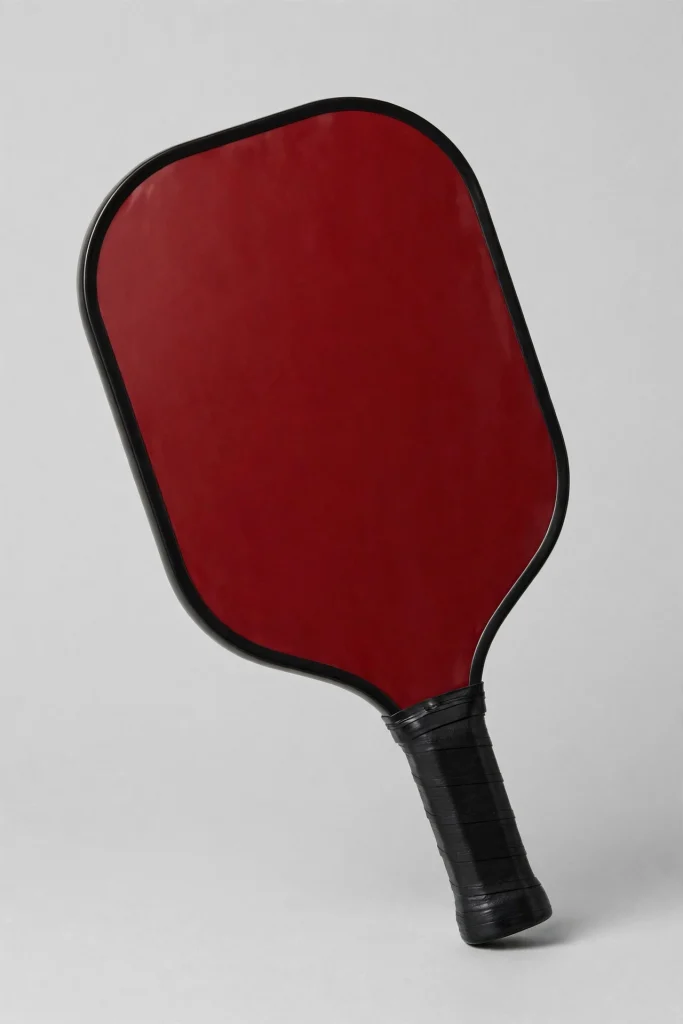
3. CRBN TruFoam Genesis — Best Foam-Core Power
CRBN’s flagship replaces the honeycomb entirely with a full foam core. Foam returns energy on a fuller curve than polypropylene, so counters and drives come off the face with less swing — the defining feel of the current power generation.
CRBN is honest about the positioning: it says the Genesis hits harder than its X Series without claiming to be the most powerful paddle sold. The approvals are stated in full — USAP, PBCoR .43 and UPA-A provisional.
Specifications (Manufacturer-Published)
| Face material | T700 raw carbon fiber layup with a fiberglass layer |
| Core | TruFoam — 100% foam core |
| Thickness | 14 mm |
| Average weight | Not published by CRBN |
| Grip length | Not published by CRBN |
| Grip circumference | Not published by CRBN |
| Shape / length × width | Elongated, long handle — dimensions not published by CRBN |
| USA Pickleball approved | Yes — CRBN states USAP approval and PBCoR .43 certification |
Buy If
- You want the foam-core feel the newest power paddles are built on.
- You play tournaments and want the full approval set stated by the maker.
Pass If
- You shop by published numbers — CRBN does not publish weight or dimensions for this model.
- You want the liveliest possible face; CRBN deliberately tunes this one for controlled power.
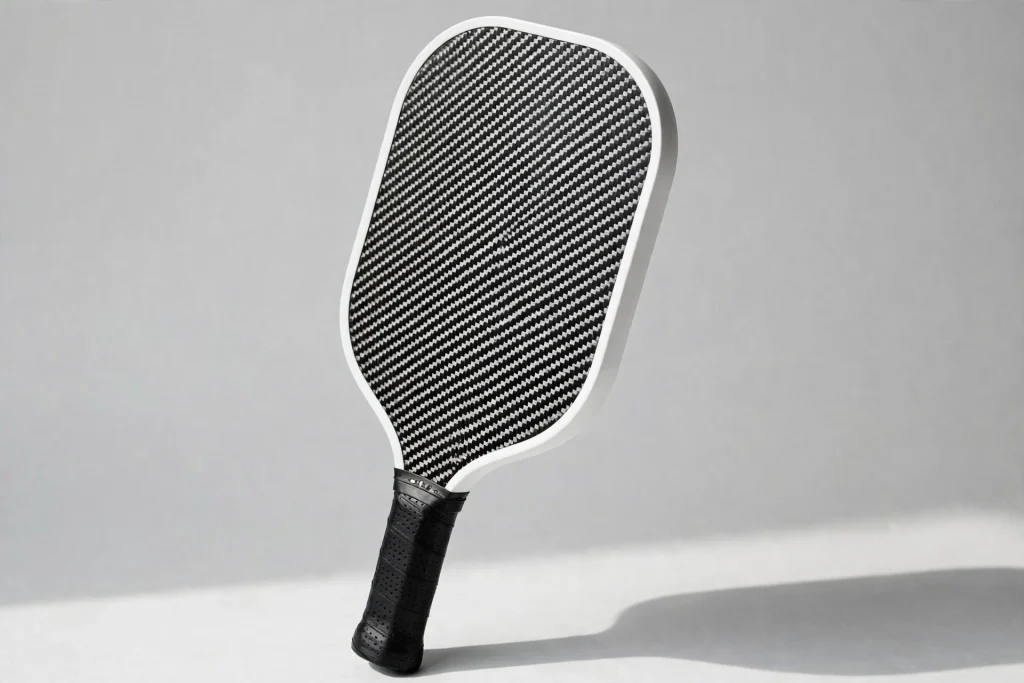
4. Paddletek Bantam EX-L — The Classic Power Paddle
The Bantam line has been Paddletek’s power family for years, and the EX-L is its standard-shape anchor. Paddletek publishes its own ratings for the model: power 8.5 out of 10, ahead of its control and forgiveness scores.
The polycarbonate face and Bantam PolyCore produce the line’s familiar direct, driving feel. Nothing about the EX-L is experimental — it is the established option for players who want power without a learning curve.
Specifications (Manufacturer-Published)
| Face material | Velvet Textured Polycarbonate |
| Core | Bantam PolyCore |
| Thickness | Not published by Paddletek |
| Average weight | 7.8–8.4 oz |
| Grip length | 5 in |
| Grip circumference | 4.25 in |
| Shape / length × width | Not published by Paddletek |
| USA Pickleball approved | Not published by Paddletek |
Buy If
- You want proven power — the maker’s own rating puts power first for this model.
- You prefer a standard shape and a mid-weight build you can still swing fast.
Pass If
- You want a raw carbon face — this is a polycarbonate face with a different, smoother feel.
- You need published dimensions before you buy; Paddletek does not publish them for this model.
5. Diadem Warrior V2 — Best Heavyweight Power
Diadem titles this paddle “Power & Control”, and the power half of that promise comes from mass. At 8.25 oz with a very thick 19 mm core, the Warrior V2 does not deflect on hard contact — it pushes through it.
That build makes it the stability pick on this list. Blocks against hard drives stay solid, and counters carry weight without a big swing. The trade is hand speed, as with every heavyweight.
Specifications (Manufacturer-Published)
| Face material | Etched carbon fiber |
| Core | 3X L-Core (three honeycomb layers) |
| Thickness | 19 mm |
| Average weight | 8.25 oz |
| Grip length | Not published by Diadem |
| Grip circumference | 4 1/8 in |
| Shape / length × width | 16.4 × 7.4 in |
| USA Pickleball approved | Yes — Diadem states USAPA approved |
Buy If
- You face hard hitters and want blocks and counters that do not fold.
- You like a thick, stable core and generate your own swing speed.
Pass If
- Your game is built on fast hands at the kitchen — 19 mm and 8.25 oz is a lot to flick.
- You want a thin, lively core that pops the ball back for you.
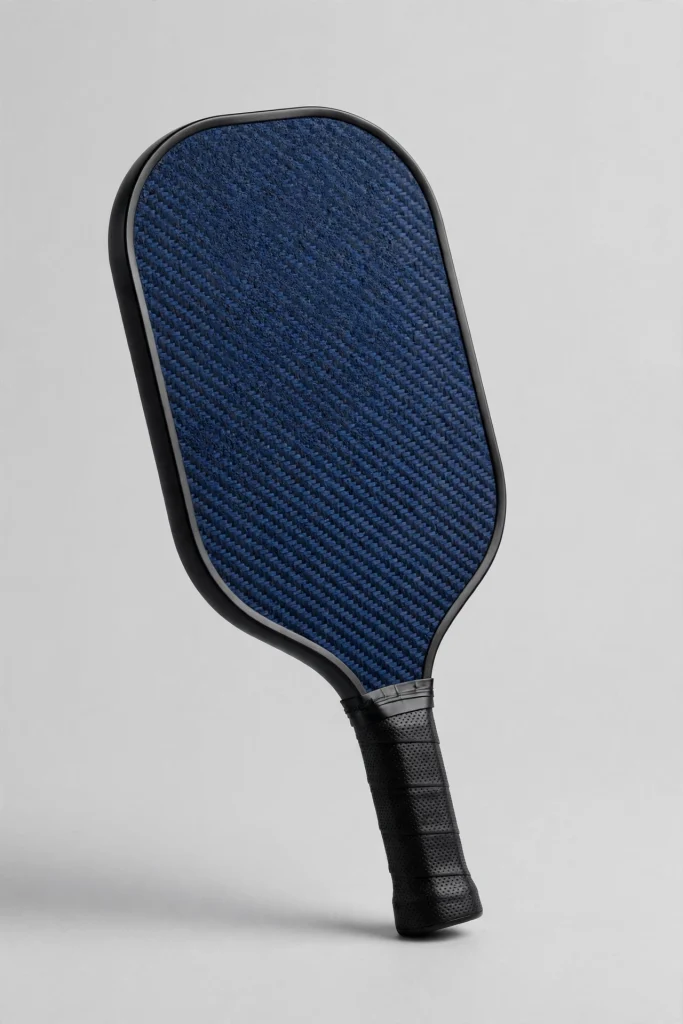
6. Franklin Centre Carbon Fiber — Best 13mm Pop
The Centre is the thinnest paddle on this list at 13 mm, and thin is lively. The shallow polypropylene core rebounds quickly, so the ball leaves the face fast on drives and speed-ups.
Franklin’s MaxGrit surface adds texture for spin, and the elongated 16.5 in shape adds reach. It is the choice for players who want their power from pop rather than from mass.
Specifications (Manufacturer-Published)
| Face material | Carbon Fiber with MaxGrit surface |
| Core | Polypropylene Max Core |
| Thickness | 13 mm |
| Average weight | 7.6–8.1 oz |
| Grip length | 5 in |
| Grip circumference | 4.25 in |
| Shape / length × width | 16.5 × 7.75 in |
| USA Pickleball approved | Not published by Franklin |
Buy If
- You want a lively, quick-rebounding face in an elongated shape.
- You play a speed-up game at the net and value hand speed over mass.
Pass If
- You want a plush, absorbing feel — a 13 mm core is the firmest ride on this list.
- You need the maker’s approval statement in writing before a tournament.
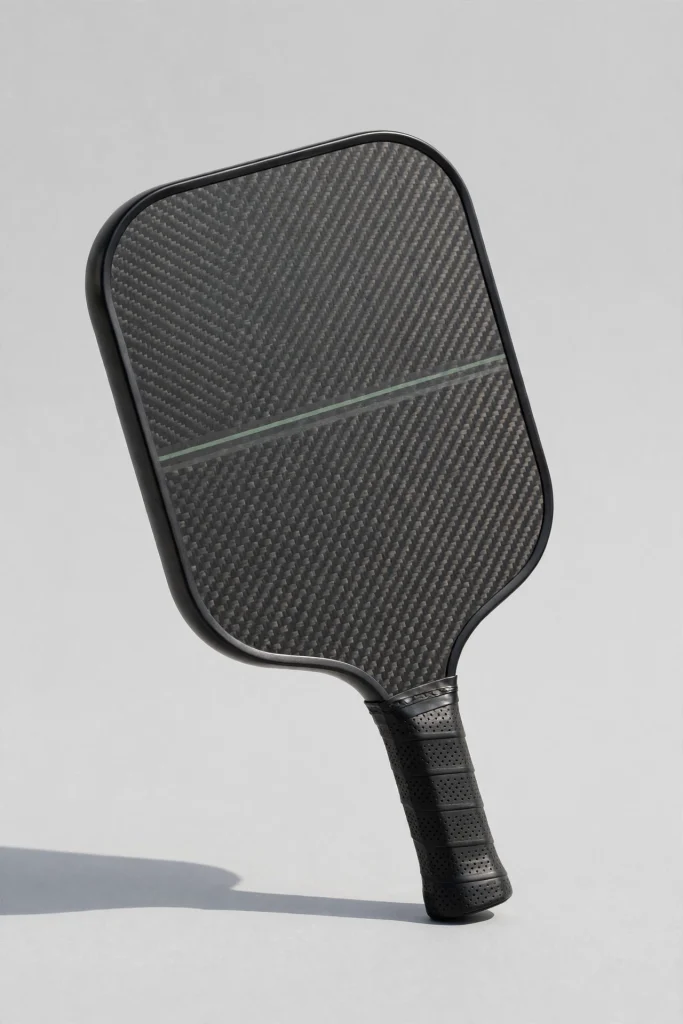
7. ONIX Graphite Z5 — Best Budget Power
The Z5 has been the entry point to power paddles for years. Its Nomex honeycomb core is stiff and loud, and its extra-wide 8.125 in face is the widest on this list — power with a big margin for mishits.
Onix publishes its own ratings for the Z5, and power leads them at 80%, well ahead of its control score. For new players who hit hard and miss often, that combination is exactly right.
Specifications (Manufacturer-Published)
| Face material | Graphite |
| Core | Nomex Honeycomb |
| Thickness | 0.375 in (as published by Onix) |
| Average weight | 7.5–8.2 oz |
| Grip length | 5 in |
| Grip circumference | 4 in |
| Shape / length × width | Widebody — 15.5 × 8.125 in |
| USA Pickleball approved | Yes — Onix states USA Pickleball approved |
Buy If
- You want power on a starter budget, with the widest face here to forgive mishits.
- You like a firm, responsive Nomex feel rather than a soft polypropylene one.
Pass If
- You want reach — at 15.5 in this is the shortest paddle on the list.
- You play a touch game; Onix itself rates this model’s control well below its power.
Cheaper Power: Tune The Paddle You Own
A new paddle is not the only route to more power. Adding weight to the head of the paddle you already own — with lead tape at the top corners or along the throat — increases how much mass meets the ball.
Work in small steps of a few grams, and test between changes. Our pickleball paddle weight guide explains where tape goes, how much to add, and how to stay inside the equipment rules.
Tuning has limits. Tape cannot turn a soft control paddle into a foam-core power paddle, and too much head weight slows your hands and strains your arm. Tune first if you are close; buy when you are not.
Frequently Asked Questions
What makes a pickleball paddle powerful?
Energy transfer. Livelier cores — thinner honeycomb or foam — return more of the ball’s energy, and heavier heads carry more mass through contact. Face stiffness and shape play smaller parts. No shared industry test exists, so compare construction, not brands’ internal power scores.
Is a thinner paddle always more powerful?
Thinner cores usually feel livelier and pop the ball back faster, which most players read as power. But a heavier thick-core paddle can drive harder on full swings, because mass matters too. Power is the combination, not one number.
Are power paddles legal in tournaments?
Yes, when the exact model is on USA Pickleball’s approved list. Power-era paddles also face the PBCoR standard, which is why several picks above state PBCoR approval. Always check your exact model on the approved list before a sanctioned event.
Should beginners use a power paddle?
Most beginners progress faster with forgiveness than with power. The widebody Z5 on this list is the exception that suits new players. Everyone else should build rally consistency first, then add power once their contact is reliable.
Can I add power to my current paddle instead of buying?
Partly. Lead tape at the head adds plow-through in small, reversible steps, and a fresh grip restores hand speed. Tape cannot change your core, so it narrows the gap rather than closing it. The weight guide linked above covers the method.
Do power paddles wear out faster?
The hardest-played paddles do tend to fade first: faces lose texture and cores develop dead spots under heavy hitting. Our guide on when to replace a pickleball paddle lists the signs and the home tests that confirm them.
Conclusion
Power is construction, not adjectives. A livelier core, the right thickness for your swing, and enough mass through the ball — those are the ingredients, and every pick above publishes the figures to prove its recipe.
Choose the Hyperion CFS for the complete package, the GBX or the TruFoam Genesis for the modern builds, and the Z5 if the budget decides. Then check the exact model on the approved list, and go hit.

Shoaib is the publisher of Pickleball Card. He oversees the site’s guides to pickleball rules, ratings, strategy and gear, all researched from primary sources — the USA Pickleball Rulebook, DUPR and manufacturer documentation — and updated as the game changes.